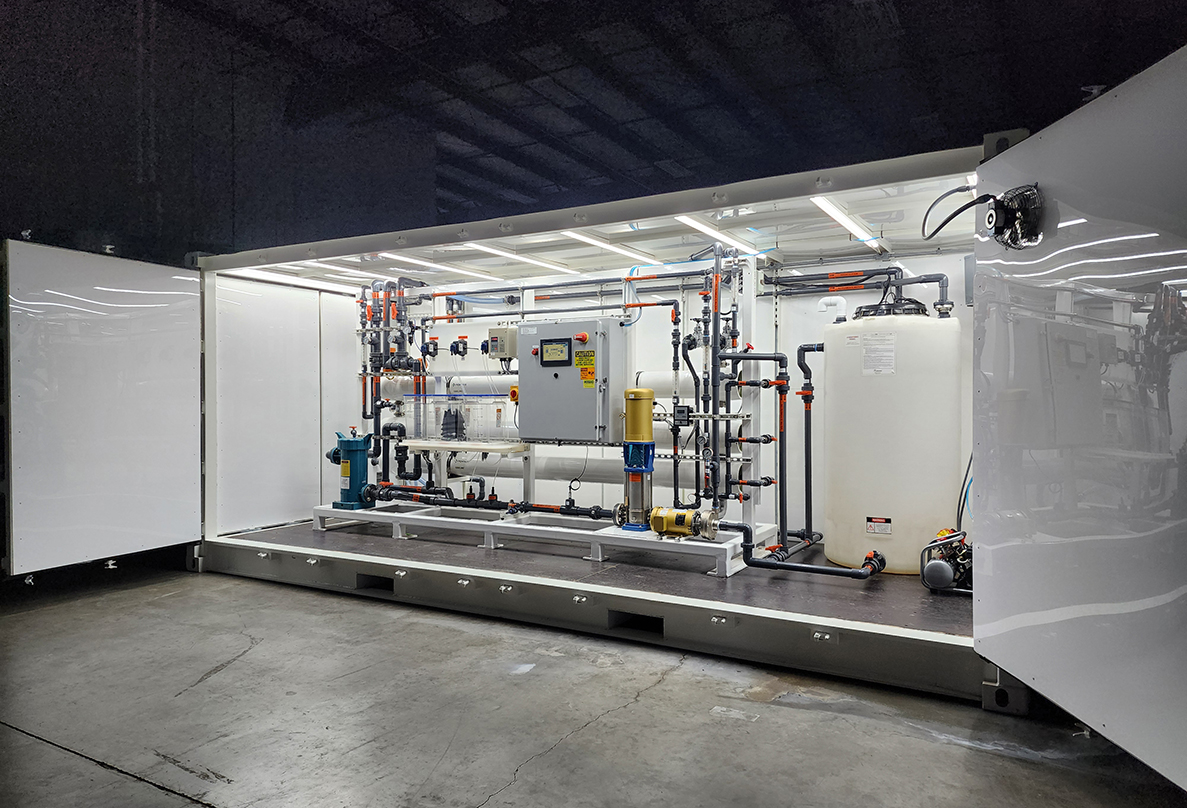

When comparing industrial water treatment systems, purchase price is only one consideration. Reliability, maintenance, serviceability and long-term support can all affect the value of the investment.
Nothing seems to last quite as long as it used to.
Recently, a member of the JMark team was shopping for a new refrigerator to replace one that had lasted nearly 20 years. When he mentioned how long the old one had served his family, the salesperson was quick to set expectations: Don’t count on getting another 20 years out of the new one.
Why not?
It’s a fair question for a refrigerator. It’s an even more important one when you’re investing in equipment that supports a critical industrial process.
Manufacturers make significant capital investments in equipment they expect to perform reliably for years. Initial cost matters, but so does what happens five, 10 or more years after installation.
Industrial water treatment systems are no exception. Evaluating long-term value means looking beyond the initial proposal to understand how the equipment is designed, what it will require to maintain and how well it can support the operation as needs change.
Look Beyond the Initial System Cost
Two industrial water treatment systems designed for the same application may come with very different price tags. Differences in equipment, materials, design, controls and engineering support can all influence that initial investment.
But purchase price is only one part of the total cost of ownership. Maintenance, equipment life and potential downtime can affect costs for years after installation. Major repairs or premature replacement can add significantly to that investment.
Dig deeper than “What does this system cost?” Consider what you should expect from an industrial wastewater treatment investment over its full operating life.
Vetting Proposals: Understand What Is Included
When proposals appear similar, determine whether the systems being quoted are actually comparable.
Review the major components, materials and manufacturers specified, then consider the complete scope. Engineering, controls, instrumentation, startup assistance, assumptions and exclusions can vary considerably from one proposal to another.
JMark takes a consultative approach and can review competing proposals with you to identify potential gaps, clarify what is included and help you understand where you’ll find the greatest value.
Have a proposal you’d like a second set of eyes on? Just ask. We are also happy to make recommendations on how to make the most of your year-end budget and plan for 2027.
Consider Water Treatment System Reliability and Serviceability
Industrial water treatment equipment often supports critical production processes, making reliability and serviceability essential.
Understand the system’s preventive maintenance requirements, which components will require routine attention and whether replacement parts are readily available. Also consider whether individual components can be repaired, replaced or upgraded without significant changes to the overall system.
These factors can affect operating costs, downtime and the useful life of the water treatment system.
Plan for Changing Water Treatment Requirements
A water treatment system is designed around a facility’s needs at a particular point in time. But production, water conditions, treatment objectives and regulatory requirements can change.
Consider whether the equipment can accommodate those changes. Depending on the application, the ability to modify controls, increase capacity or incorporate additional treatment technologies may help extend the usefulness of the original investment.
At JMark, we consider current operating requirements along with longer-term plans when designing a system to help manufacturers make equipment decisions that support the facility over time.
Evaluate Equipment Service and Support
The supplier relationship doesn’t end when the equipment is installed. Manufacturers should understand who will provide technical support and what resources are available when the system requires service or operating conditions change.
As equipment ages, access to people who understand the system can be particularly valuable. The right technical support may help a manufacturer repair or update existing equipment rather than replace it unnecessarily.
Ask the Right Questions
Comparing industrial water treatment proposals requires more than reviewing specifications and purchase price.
Before making an investment, ask these questions:
- How is the system designed and what components are being used?
- What is the expected operating life with proper maintenance?
- What preventive maintenance will be required?
- Are replacement parts readily available?
- Can components be repaired, replaced or upgraded individually?
- Can the system accommodate future changes in production or treatment requirements?
- What technical service and support will be available after installation?
- What is included in the proposal, and what has been excluded?
- What costs should be considered when evaluating the total cost of ownership?
The answers can help identify meaningful differences between systems that may initially appear comparable.
Maximize Your Industrial Wastewater Treatment Investment
The industrial water treatment system you select today can affect operating costs, maintenance and production reliability for years to come.
At JMark, our approach is to understand the application, engineer equipment around the facility’s requirements and provide support as those needs evolve.
Taking a longer-term view can help manufacturers select equipment that meets today’s treatment objectives while providing the reliability and flexibility to support future needs.