Traditional approaches have worked for decades. Changing regulations and rising operating costs are giving manufacturers a reason to take another look.
Boilers and cooling towers are designed to keep manufacturing operations running efficiently. But the quality of the water flowing through those systems has a direct impact on performance, maintenance requirements and operating costs.
For years, many facilities have relied on chemical treatment and water softeners to control mineral buildup. Those methods can still be effective, but they also come with ongoing costs. Plus, there are maintenance demands and increasing environmental considerations.
As manufacturers look for ways to improve efficiency and prepare for changing regulations, many are asking a new question: Is there a better way to prevent scale before it becomes a problem?
The Hidden Cost of Mineral Buildup
Scale forms when minerals in water accumulate inside boilers, cooling towers and related equipment. Even small amounts can reduce heat transfer and increase energy consumption. This forces systems to work harder than necessary.
Left unmanaged, scale can lead to more frequent cleaning, and unexpected and costly downtime. Over time, this takes a toll on equipment and can reduce its lifespan — requiring yet another capital investment. Preventing those issues starts with understanding the quality of the water entering the system.
Looking Beyond Traditional Water Treatment
Chemical treatment and water softeners have long been standard tools for managing scale. However, those approaches require ongoing attention and often introduce additional costs.
Water softeners, for example, regenerate using salt and discharge high concentrations of sodium and chloride to the sewer. As municipalities continue tightening discharge requirements, some manufacturers are beginning to evaluate alternatives that reduce both salt usage and wastewater impacts.
At the same time, facilities are looking for ways to simplify operations while maintaining consistent system performance. So, what’s the answer?
A Different Approach to Scale Prevention
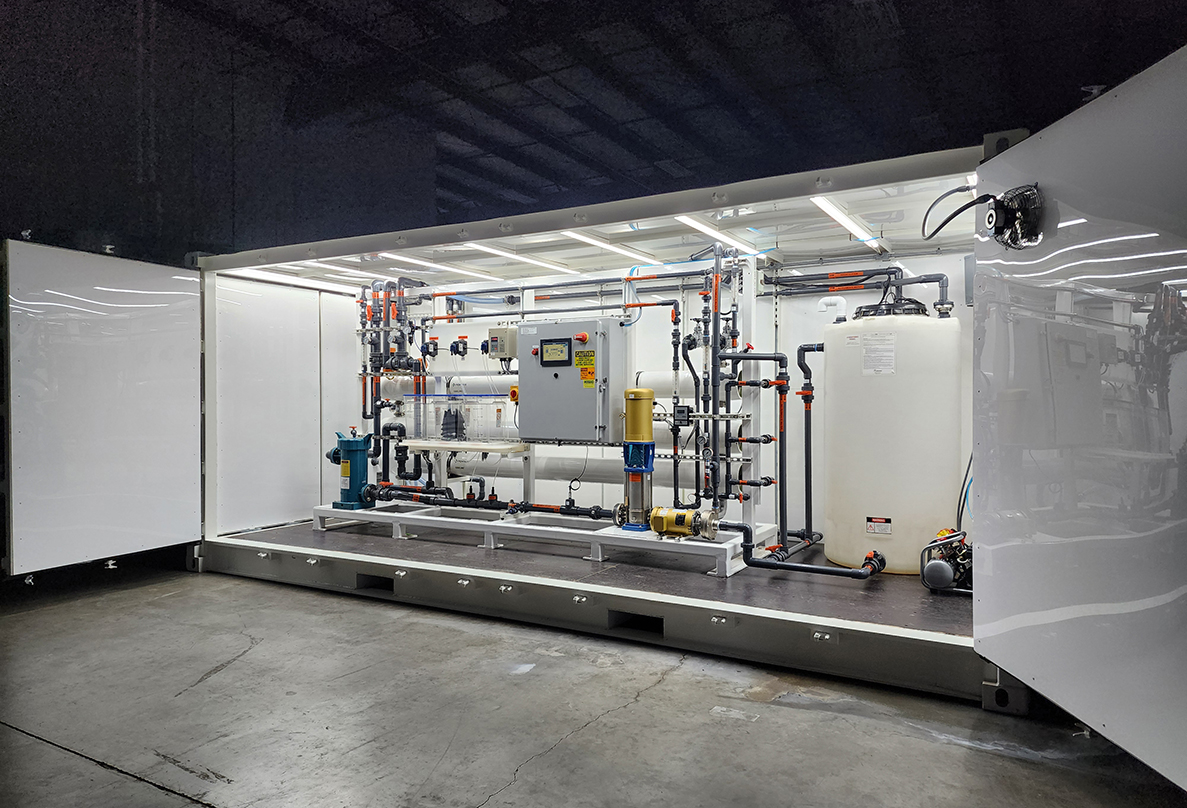
Rather than relying primarily on chemicals or softening after minerals enter the process, reverse osmosis (RO) systems improve water quality before it reaches the boiler or cooling tower. RO technology removes approximately 99% of the hardness minerals that contribute to scale, providing a more consistent water supply for critical equipment.
The benefits include:
- Reduced chemical consumption
- Longer intervals between equipment cleanings
- Improved overall system performance
- Reduced or eliminated reliance on traditional water softening equipment
- Lower salt consumption, maintenance requirements and labor associated with softening systems
Some facilities also choose to relocate water softeners downstream of the RO system, significantly reducing regeneration cycles while extending the life and efficiency of the softening equipment.
The result is cleaner water, fewer maintenance demands and a more predictable operation with greater control over long-term operating costs. Depending on the application, many organizations also find that the operational savings can help offset the investment in an RO system over time.
Every Water System Is Different
No two manufacturing facilities have the same water chemistry, operating conditions or production goals. That's why the first step is to understand the complete system.
At JMark, we evaluate incoming water quality, operational requirements and treatment objectives before recommending a solution. In some cases, reverse osmosis may be the right fit. In others, a different strategy may better support the facility's long-term goals.
Ultimately, we’re here to help manufacturers improve reliability, reduce operating costs and protect critical equipment.
Looking Ahead
As water quality expectations, operating costs and environmental regulations continue to evolve, manufacturers have an opportunity to rethink how they manage one of their most important resources.
Preventing scale isn't simply about avoiding maintenance. It's about improving efficiency, extending equipment life and creating a water treatment strategy that's built for the future.