
Some industrial water treatment systems can still be ordered and delivered before year-end. For larger projects, now is the time to start planning for 2027.
Still have 2026 capital budget left to spend?
Before you assume it’s too late to put those dollars toward new industrial water treatment equipment, take another look at the calendar.
Depending on the system and scope, there may still be time to place an order and receive equipment before year end. Some systems can be built in approximately 12 to 16 weeks, making September an important window for manufacturers with capital projects still on the table.
And if the timing doesn’t work for 2026? This is also the time to start mapping out 2027. Either way, the question isn’t simply what’s left in the budget. It’s what can realistically be accomplished with it.

Your Year-End Window May Still Be Open
Equipment lead times matter at any point in the year. By September, they become especially important.
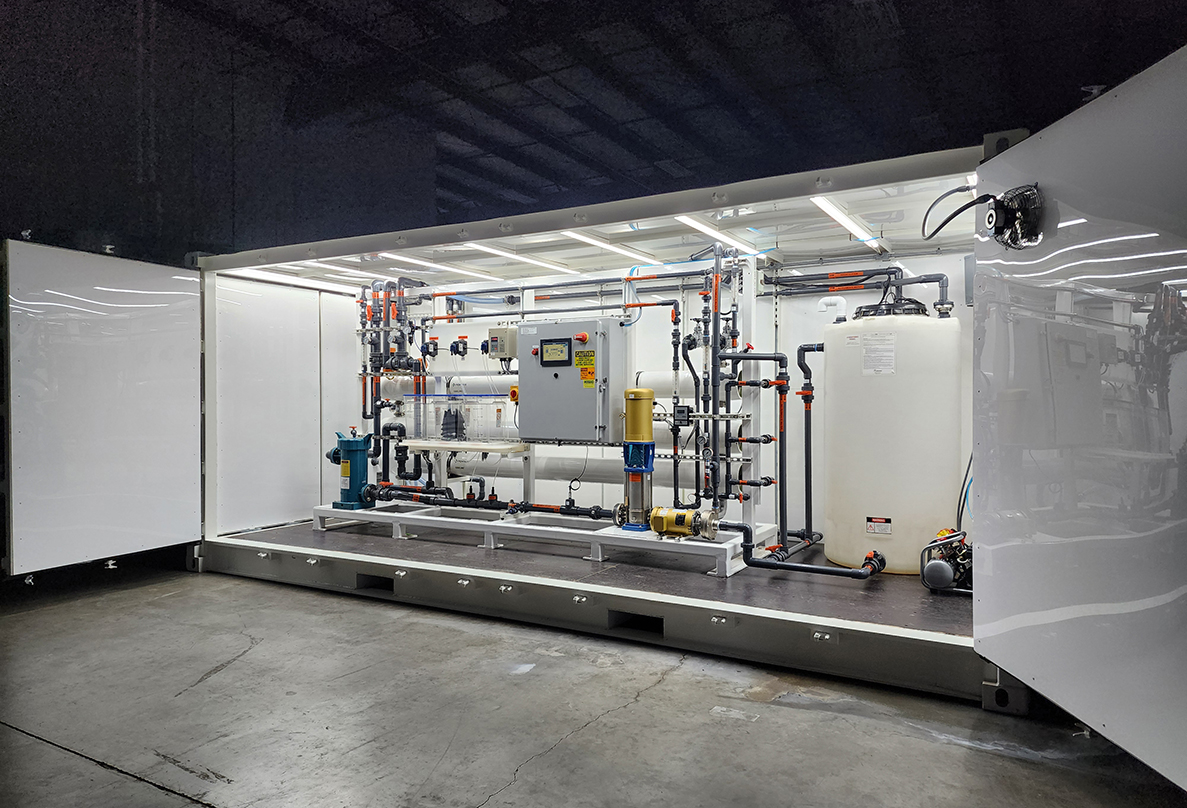
Some water treatment systems can be built in approximately 12 to 16 weeks, which means certain projects started now may still be completed before Dec. 31. Reverse osmosis (RO) systems, in particular, may be candidates for year-end delivery depending on the size and complexity of the system.
All this means opportunity for facilities with remaining 2026 capital dollars allocated for equipment purchases.
But the timing is tight. Third and fourth quarters are traditionally busy ordering periods, and every project is different. Waiting another month to begin the conversation can significantly change what's possible.
The bottom line: If water treatment is part of your remaining 2026 capital plan, the time to explore your options is now.
Understand What’s Possible Before Year-End
Not every water treatment project fits neatly into the remaining months of 2026.
Water treatment systems need to be properly designed around a facility's water quality, production requirements and treatment objectives. Equipment lead times can also vary significantly depending on the system.
Wastewater systems are a good example. While portions of a system may be engineered and built within the remaining months of 2026, components such as tanks can have lead times of 20 weeks or more.
That doesn't necessarily mean the entire project has to wait.
Depending on a company's purchasing requirements, project structure and capital budget, there may be opportunities to complete and ship portions of the equipment before year end, with remaining components following in 2027.
The key is understanding those requirements early enough to build a realistic schedule around them.
Don't Let the RFQ Start the Clock
One of the easiest mistakes in capital planning is focusing on when equipment needs to arrive without working backward to determine when the process needs to begin. So, if you know you need new water treatment equipment next year, don't wait until you're ready to issue an RFQ to start talking about the project.
Consider the full timeline:
- When does the equipment need to be operational?
- What internal approvals are required?
- When will capital dollars become available?
- Are there purchasing or invoicing milestones that need to fall within a particular fiscal year?
Then, factor in the time required to evaluate the application, engineer the solution, source components, build the equipment and prepare it for delivery. Working backward helps keep lead times on track.
Start Building Your 2027 Plan Now
Even if a project can't realistically be completed this year, September is a great time to start laying the groundwork for 2027.
At JMark, we can work with your team to understand your facility requirements and develop a working project schedule. That includes identifying key milestones and mapping equipment timing against purchasing, invoicing and payables requirements.
Starting early also gives your team more time to evaluate the right industrial water treatment solution rather than making decisions around an artificial deadline.
Maybe that means moving ahead with an RO system this year. Maybe it means beginning the engineering and planning process for a larger wastewater project that will be delivered next year. Or perhaps the first step is simply determining what your facility will need and establishing a realistic budget.
Not sure where to start? Our team will walk you through the process so you have a strategic budget in place — and no surprises in 2027.
Make Timing Part of the Strategy
There’s still time to make your 2026 budget work harder — or make your 2027 plan smarter.
If you have 2026 budget dollars left for water treatment equipment, there may be opportunities to put that remaining investment to use before year-end. And if 2027 is the more realistic target, planning now can help you enter the new year with a clearer scope, schedule and budget.
The earlier we understand your facility's needs and capital requirements, the more effectively we can help you determine what's possible and build a plan to get there.